
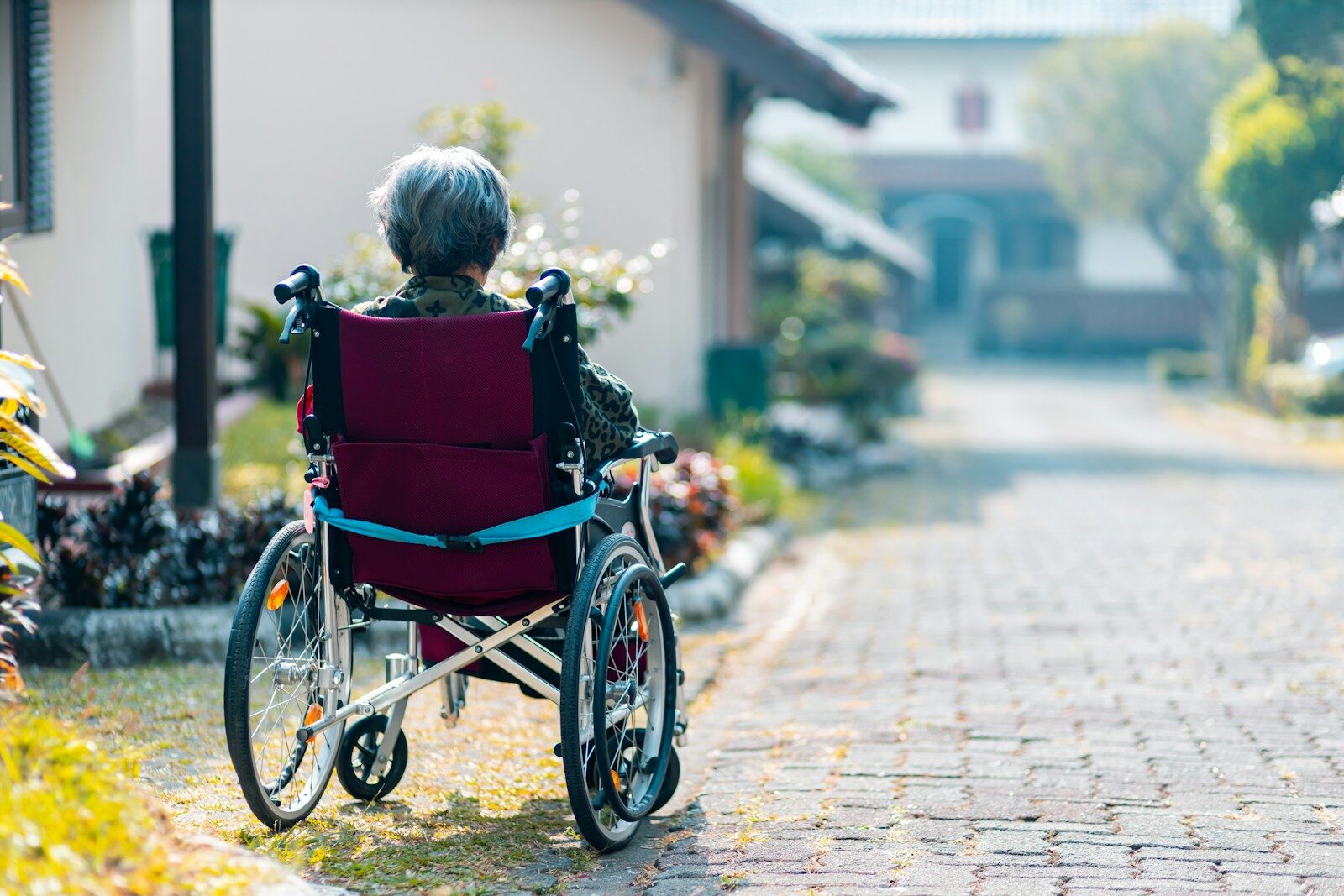
Relocating to South Korea brings a mix of excitement and culture shock – especially when it comes to the subtleties of daily life. For those living with a disability, or simply hoping to be a more considerate neighbor or colleague, learning about disability etiquette is invaluable in building positive, easy interactions. While accessibility in Korea has improved over the years, expats often notice that social etiquette, public spaces, and direct communication can be quite different from what they’re used to.
Above all, respect, clear communication, and practical thinking will take you far. Although there are official disability supports, accessible tourism spots, and lots of public resources, it’s wise to be proactive: ask directly, prepare ahead, and clearly express what you need. When looking for resources or information related to “장애 인식 개선,” you can check this link. However, for most services, relying on official sites and established guidance remains the safest starting point.
Understanding Etiquette’s Importance
Social interactions in Korea often follow a certain order of politeness, respect for others, and awareness of hierarchy. It influences everything from how people greet each other, to sharing public areas, and when and how they help someone. For expats, disability etiquette isn’t just about whether places are physically accessible – it’s also about phrasing requests in a way that feels natural and polite here.
A big part of Korean culture is not pointing out differences, including disabilities, unless invited. This may mean people are more reserved rather than openly curious or overly formal instead of casually helpful. Typically, it’s best to respond with straightforward, calm communication, rather than worry about hidden negativity.
Communicate Clearly and Respectfully
When you need help, state your needs simply and directly. Many staff members or bystanders might want to assist but may hesitate, unsure how to proceed unless you spell things out. Short questions or statements work best, such as:
- “I need some help, please.”
- “Is there an elevator here?”
- “Do you have a wheelchair entrance?”
- “Is an accessible toilet available?”
Always use a polite tone, and when in doubt, a small bow is a nice gesture when speaking formally in Korea. Staying friendly and patient, even if something is difficult, usually gets better results than letting frustration show.
If you rely on aids or special accommodations, it helps to explain what they’re for early on. Laying things out clearly avoids misunderstandings in hotels, restaurants, stations, or museums.
Know That “Accessible” May Not Mean Fully Accessible
Something many expats soon realize is that “accessible” can mean different things in Korea compared to places with longer-standing regulations. For example, a hotel might market itself as accessible, but you could arrive to find a step at the entrance, or a bathroom that isn’t spacious enough for a wheelchair.
So, don’t hesitate to get specific:
- Is there a roll-in shower?
- Does the room have grab bars or a bath seat?
- Is the entry step-free?
- How wide is the elevator?
- Can you share photos of the doorway or bathroom?
This careful, detailed approach matters even more in older buildings, where upgrades often don’t cover everything or only partially address needs.
Navigating Transit and Shared Spaces
South Korea’s public transit system is reliable and efficient, but etiquette and crowd awareness are essential. There are reserved seats on all trains and buses for elderly, pregnant, and disabled passengers; locals give these seats strong respect, so only use them if needed.
During rush hours or busy periods, people value keeping things moving and minimizing disruptions. If you need extra time boarding, moving through crowds, or assistance, make your needs known early and clearly. Station staff are often willing to help wheelchair users or those with visible disabilities, especially if you call ahead or make your needs clear upon arrival.
Major cities use tactile paving and audio signals in subways and at crosswalks to help visually impaired travelers get around, though challenges can still exist.
Restaurants and Cafés: What to Expect
Eating out in Korea can be a unique experience, with some dining spots offering only floor seating, small spaces, or shoes-off entry, which could pose a challenge for some. When in doubt, it’s best to ask questions before you walk in:
- Do you have regular tables and chairs?
- Is there a step at the entrance?
- Can I keep my shoes on?
- Is there enough space for a mobility aid?
Modern shopping malls and department stores like Lotte or Hyundai usually have Western-style seating and are more accessible by design. If you need the staff to move a chair or rearrange seating, ask directly – assuming familiarity with disability arrangements isn’t as helpful as a clear, courteous request.
Asking for Help: Don’t Overdo Apologies
Expats may worry about burdening others when requesting assistance. In most cases, a simple, respectful question will be received much better than long apologies or over-explaining. Korean service culture appreciates clarity and directness.
Try to keep requests brief and polite:
- “Could you show me the accessible entrance?”
- “Does this place have a shower seat?”
- “Please help me find the elevator.”
This isn’t considered impolite; it’s efficient communication that makes it easier for everyone involved.
Where to Find Official Support
If you’re planning accessible trips or need more information about disability accommodations, Seoul’s tourist centers, like the Seoul Danurim Tourism Center, can help with accessibility details and personalized advice. Travelers and residents alike can turn to government services for registering a disability or understanding available supports – good to know if you’re settling long-term.
Collecting reliable local resources or contact points before you actually need them will save you stress if an issue comes up unexpectedly.
Everyday Etiquette Still Counts
Disability etiquette doesn’t replace Korea’s general expectations of respect and formality – it works alongside them. Here are a few basics to remember:
- Bow lightly as a greeting when appropriate.
- Use both hands when handing something to someone formally.
- Keep your voice down in public.
- Follow the custom of removing shoes when entering certain places.
- Respect others’ personal space and dress modestly in formal settings.
These habits create a courteous atmosphere for everyone and can make your life in Korea a little smoother.
Supporting Others: Dos and Don’ts
If you’re a friend, landlord, coworker, or host to someone with a disability, don’t assume what they need. Instead, ask them directly, and always wait for them to express what works best for them. In Korea’s sometimes indirect communication culture, being open and checking in is extra valuable.
Being supportive might mean:
- Asking before physical help,
- Clearly describing stairs, elevators, or room layouts,
- Presenting choices rather than jumping in,
- And respecting the individual’s privacy and independence.
Handy Tips For Every Expat
To confidently handle disability etiquette in South Korea:
- Look up accessibility details in advance.
- Clarify exact needs for entrances, bathrooms, elevators, and seating.
- Use respectful, straightforward language.
- Observe reserved seating and public space customs.
- Reach out to official services and resources when necessary.
South Korea can be a great place for expats with disabilities, especially if you apply your cultural knowledge and stay proactive. The clearer you are about your needs, the easier it becomes to find solutions that work within Korean norms, ensuring a respectful and comfortable experience for everyone.